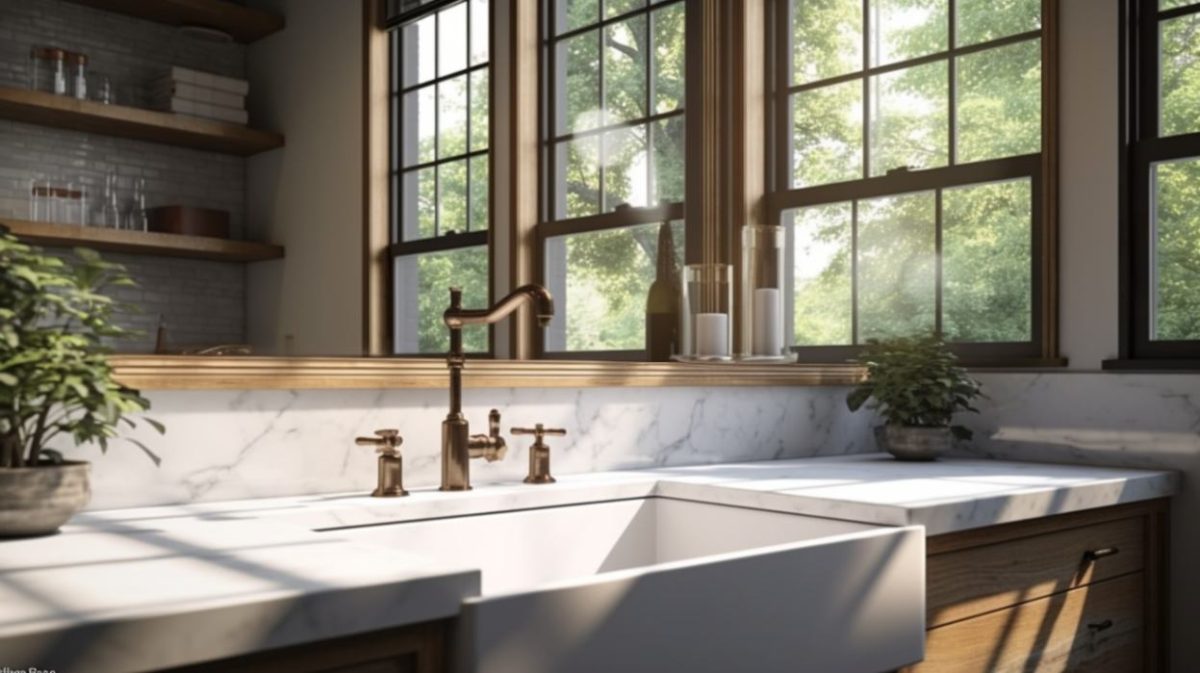
In interior design, marble is a symbol of sophistication and luxury. The true artistry, however, lies in mixing different marble textures. This creates unique and captivating styles that elevate any space. Combining various textures showcases the versatility of marble. It also allows for personalization and creativity in design.
Mixing textures is an excellent choice for those who want to make a statement. For instance, a marble kitchen can blend polished countertops with honed or leathered finishes on islands or backsplashes. This mix adds depth and interest to the design.
Incorporating marble accessories and details further enhances this effect. Think of marble cutting boards, vases, or lamp bases in different textures. These elements can harmonize with the larger marble features in a room.
By skillfully mixing marble textures, you can craft a space that exudes both elegance and individuality. This approach truly brings out the best in marble, establishing it as a standout feature in any interior design, in line with the latest countertop trends.
Understanding Marble Textures
Marble textures offer a diverse range of aesthetics, greatly influencing interior design. From the classic polished finish to the contemporary honed or leathered looks, each texture adds its unique character. This variety impacts the overall ambiance of a space.
The pairing of marble textures can lead to brilliant design outcomes. For instance, combining a polished marble countertop with a honed marble backsplash creates a dynamic and visually appealing contrast. This approach can elevate the design of a kitchen or bathroom, making the marble a standout feature.
As a countertop material, marble offers both beauty and functionality. The choice of texture can affect the countertop’s maintenance and appearance. Polished marble, for example, is known for its shine and ability to highlight the stone’s veining. Honed marble, on the other hand, provides a matte finish that can conceal scratches and etches better.
Marble, being one of the many natural products used in interior design, brings an element of the natural world into homes. Its textures, whether smooth and polished or rough and leathered, add depth and interest to spaces, making marble a versatile and attractive choice for modern interiors.
Polished Marble: Sleek and Reflective
Polished marble is known for its high gloss and reflective surface. It adds luminosity and elegance to spaces. This makes them appear larger and more open. In functional spaces like a kitchen, polished marble can be a classic choice. It reflects light beautifully, enhancing the overall brightness of the area.
Honed Marble: Matte and Subtle
Honed marble offers a matte finish, providing a softer, more understated look. This texture is ideal for those seeking a natural, organic feel in their design. In kitchen spaces, honed marble brings a subtle elegance without the high shine, making it a practical and stylish option.
Leathered Marble: Textured and Sophisticated
Leathered marble, with its slightly textured surface, adds depth and tactile interest. It’s perfect for adding a unique touch to any space, especially in areas where a textured design is desired. This finish can be particularly striking in contrast with light marble or darker marble elements.
Retro Marble Textures
Retro marble textures, often featuring unique patterns and color combinations, can add a nostalgic charm to spaces. These textures are great for creating focal points in rooms, especially when used on textured walls or as statement pieces in bathroom designs.
Each marble texture offers its own unique appeal, transforming spaces into functional yet aesthetically pleasing environments. Whether it’s the sleekness of polished marble, the subtlety of honed, or the sophistication of leathered, marble remains a versatile and timeless material in interior design.
Mixing Marble Textures in Design
Creating Contrast
Mixing different marble textures creates a dynamic contrast in interiors. For instance, combining polished marble countertops with a honed marble backsplash can add depth and interest to a kitchen or bathroom.
Layering Textures
Layering various textures of marble in a single space can produce a sophisticated, multi-dimensional look. This can be achieved through flooring, wall cladding, and accent pieces.
Complementary Colors and Veins
When mixing textures, it’s also important to consider the colors and veining of the marble. Selecting complementary shades and patterns can unify the design while highlighting the individuality of each texture.
Application Ideas for Mixed Marble Textures
Kitchens and Bathrooms
In kitchens and bathrooms, mix marble textures for countertops, islands, backsplashes, and flooring to create a visually engaging and luxurious space.
Living Areas
In living areas, use different marble textures for flooring, fireplace surrounds, or accent walls to add elegance and visual interest.
Furniture and Accessories
Marble-textured furniture and accessories, like tabletops and decorative items, can also be mixed to enhance the overall aesthetic of a room.
Caring for Mixed Marble Textures
Regardless of texture, marble requires proper care to maintain its beauty. Regular cleaning with suitable products and periodic sealing are essential, especially when different textures are combined.
Conclusion
Mixing marble textures is an innovative way to elevate interior design, offering endless possibilities for creating unique and personalized spaces. Whether it’s the contrast between polished and honed surfaces or the subtle interplay of different finishes, this approach allows designers and homeowners to experiment with marble in new and exciting ways. By thoughtfully selecting and combining various marble textures, one can craft interiors that are not only visually stunning but also rich in depth and character, making each space truly one-of-a-kind.


