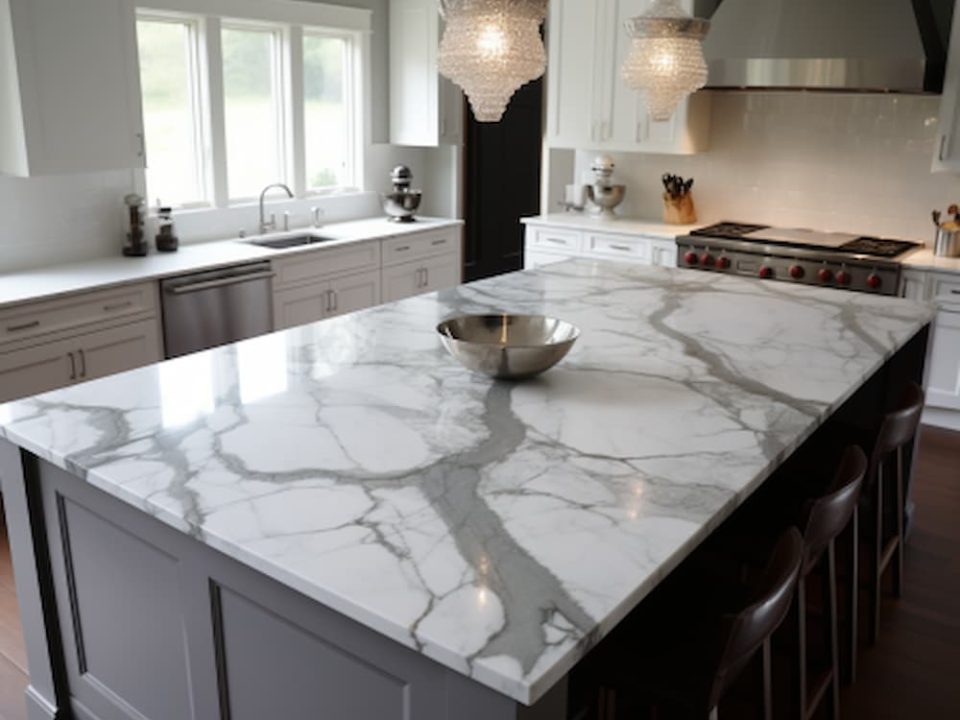
Creating Classic Kitchens With Vintage Marble
January 31, 2024
Marble Countertops in Minimalist Kitchens for a Modern Look
February 2, 2024
If you want to keep your marble countertops looking pristine, sealing them is crucial. Marble is porous, which means it can easily absorb liquids and stains. By sealing your countertops, you provide a protective barrier against spills and potential damage. Without proper sealing, your marble countertops are at risk of discoloration and permanent marks. In this article, we will guide you on the importance of sealing your marble countertops and how to do it correctly.
Why Seal Marble Countertops
Sealing marble countertops is essential because marble is a porous stone. This means it has tiny holes that can absorb liquids and stains. Unsealed marble is vulnerable to damage from spills, acidic substances, and daily use. Sealing creates a protective barrier on the marble surfaces, preventing liquids and stains from penetrating the stone. This helps maintain the marble’s beauty and extends its lifespan.
When sealing, cover the entire surface with a marble sealer. This process protects against scratches, etching, and discoloration. There are different types of sealers, including water-based sealers, solvent-based sealers, and penetrating sealers. Water-based sealers are gentle, while solvent-based sealers offer more protection against oil-based stains. Penetrating sealers go deep into the marble without altering its appearance.
To check if sealing is effective, drop water on the marble. If it forms beads, the sealing is good. If it creates a dark spot, more sealing may be needed. Be careful to use the right sealer and avoid leaving sealer residue, as the wrong sealer can damage the marble. Properly sealed marble countertops remain stunning and in excellent condition for years, making them a valuable addition to any home.
The Porous Nature of Marble
Recognizing the porous nature of marble is key when considering the importance of sealing marble countertops. Marble, a natural stone, is formed from limestone subjected to intense heat and pressure. This process results in a unique crystalline structure, characterized by small, interconnected pores. These pores make marble highly absorbent, leaving it vulnerable to stains and damage from liquids like water, oils, and acidic substances.
If marble is left unsealed, these liquids can penetrate its surface, leading to irreversible damage. This is particularly a concern for kitchen counters, where exposure to various substances is frequent. Sealing marble countertops is a crucial step in protecting them. The sealant fills in these pores, creating a barrier against moisture and stains. This barrier prevents liquids from seeping into the stone.
When sealing marble, there are various types of marble sealers to consider. Solvent-based sealants are effective in protecting against organic stains and provide a strong barrier. However, it’s important to avoid excess sealant, which can leave a residue and affect the marble’s appearance.
Allowing plenty of time for the sealant to properly set and cure is essential. This ensures that the protective barrier is fully formed, offering the best protection for your marble surfaces. By understanding and addressing the porous nature of marble with appropriate sealing, you can maintain the natural beauty and integrity of your marble countertops for years to come.
Protection Against Spills and Stains
By sealing your marble countertops, you can effectively protect them against spills and stains, ensuring their long-lasting beauty and durability. Marble is a porous material, making it susceptible to liquid absorption and staining. Without proper sealing, liquids such as wine, coffee, and oil can seep into the pores of the marble, leaving behind unsightly stains that are difficult to remove.
Sealing creates a protective barrier on the surface of the marble, preventing liquids from penetrating and causing damage. It acts as a shield, repelling spills and stains and facilitating easy cleanup. With a sealed countertop, you can enjoy peace of mind knowing that your marble will remain pristine and free from permanent discoloration. Protecting your investment through sealing is a simple yet effective way to maintain the natural beauty of your marble countertops for years to come.
Preventing Damage and Discoloration
Protecting your marble countertops through sealing not only prevents spills and stains but also prevents damage and discoloration. Without proper sealing, your marble countertops are vulnerable to various forms of harm that can diminish their beauty and longevity. Here are three reasons why sealing is essential in preventing damage and discoloration:
- Protection against scratches: Sealing creates a protective layer on the surface of your marble countertops, guarding them against scratches caused by daily use or accidental impacts.
- Resistance to heat damage: Sealed marble countertops have increased heat resistance, reducing the risk of discoloration or cracking when exposed to hot pots, pans, or utensils.
- Prevention of water damage: Sealing helps to repel water and moisture, preventing them from seeping into the marble and causing damage, such as cracks or stains.
How to Properly Seal Marble Countertops
To properly seal your marble countertops, follow these steps to ensure their protection and longevity. First, clean the countertops thoroughly using a mild, pH-neutral cleaner and a soft cloth. Make sure to remove any dirt, stains, or residue.
Next, allow the countertops to dry completely before applying the sealer. Shake the sealer bottle well and pour a small amount onto the countertop. Use a clean, lint-free cloth to spread the sealer evenly, working in small sections. Allow the sealer to penetrate the marble for the recommended time, usually around 10-15 minutes.
Finally, wipe off any excess sealer with a clean cloth, ensuring there are no streaks or patches left behind. Repeat this process every 6-12 months to maintain the seal and protect your marble countertops.
Conclusion
In conclusion, sealing marble countertops is crucial to protect against spills, stains, and damage. The porous nature of marble makes it susceptible to these issues, but by properly sealing the countertops, you can ensure their longevity and maintain their beauty. So, take the time to seal your marble countertops and enjoy their stunning appearance for years to come.