
Технологияның ойын индустриясындағы рөлі Pin Up жаңа мүмкіндіктері
April 21, 2026The Founding of YouTube A Short History
April 21, 2026The influence of gambling on mental well-being understanding the complexities
The Psychological Impact of Gambling
The psychological effects of gambling are multifaceted and can significantly influence a person’s mental well-being. For many, gambling provides an escape from reality, a thrill that can momentarily alleviate stress and anxiety. However, this temporary relief often masks underlying issues that can exacerbate mental health conditions over time. As individuals engage in gambling as a coping mechanism, they may find themselves trapped in a cycle of dependency that heightens feelings of guilt and shame, ultimately affecting their self-esteem and mental health. For an enriching gaming experience, many turn to platforms like oshicasino-canada.org/.

Moreover, the excitement of winning can create a false sense of security, leading individuals to gamble more often in hopes of replicating that euphoric feeling. This cycle can result in an escalation of gambling behaviors, which may culminate in problematic gambling or gambling addiction. Individuals may experience heightened anxiety, depression, and social isolation, as their gambling habits often interfere with personal relationships and responsibilities.
Understanding these psychological impacts necessitates a broader exploration of the individual’s history and motivations behind gambling. Factors such as trauma, financial pressure, or familial influences can contribute to why some individuals are drawn to gambling. Comprehensive mental health strategies should therefore include assessments of gambling behaviors to tailor appropriate interventions for those affected.
The Social Dimensions of Gambling
Gambling’s influence on mental well-being extends beyond the individual, deeply embedding itself within social structures. Social gambling, often seen as a harmless pastime, can transform social dynamics and relationships. Friends and family may initially participate in gambling activities together, but as addiction develops, the social fabric can strain. Relationships may suffer due to secrecy, financial difficulties, and emotional distress, creating a rift between the individual and their loved ones.
In communities where gambling is prevalent, the social acceptance of gambling can normalize risky behaviors, making it difficult for individuals to recognize the potentially harmful consequences. This social dimension can lead to a collective impact on mental well-being, where individuals may feel pressured to gamble to fit in or gain social status. Community support systems may struggle to address the growing mental health issues linked to gambling, further complicating the landscape of treatment and prevention.
Additionally, cultural attitudes towards gambling can influence how individuals perceive their mental health needs. In some cultures, seeking help for gambling-related issues may carry a stigma, leading individuals to avoid seeking assistance. This cultural influence on mental well-being highlights the need for culturally sensitive approaches to gambling addiction treatment and prevention programs.
The Economic Factors at Play
The economic aspects of gambling introduce another layer of complexity to its influence on mental well-being. Many individuals engage in gambling with hopes of financial gain, believing it to be a solution to their economic woes. Unfortunately, this can lead to detrimental financial consequences, including debt and bankruptcy, which subsequently exacerbate mental health issues. The stress of financial instability can lead to anxiety and depression, creating a vicious cycle of gambling and mental distress.
Moreover, the gambling industry often capitalizes on economic vulnerabilities, targeting individuals in lower socioeconomic brackets who may see gambling as a way to escape their circumstances. This exploitation raises ethical concerns about the industry’s responsibility to promote responsible gambling practices and support mental well-being. Such economic dynamics can lead to increased incidents of gambling-related harm, further stressing individuals already struggling with mental health challenges.
As society grapples with these economic factors, there is a pressing need for regulatory frameworks that prioritize mental health. Policymakers must consider the broader implications of gambling on mental well-being and implement measures that protect vulnerable populations while promoting healthy gaming practices. By understanding the economic landscape of gambling, we can better address the root causes of gambling addiction and its effects on mental health.
The Role of Technology and Online Gambling
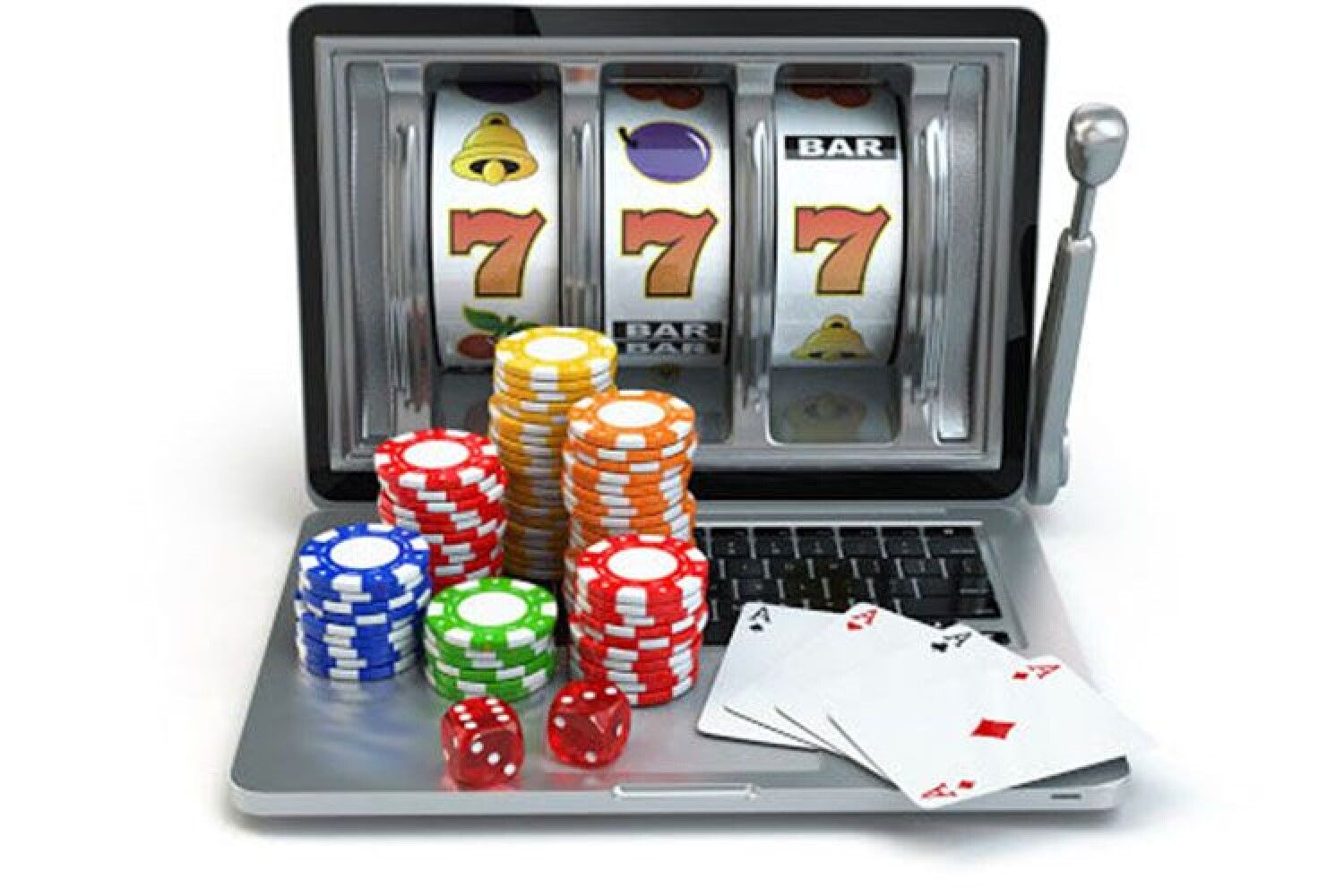
The rise of online gambling has transformed the landscape of gambling and its influence on mental well-being. Digital platforms make gambling more accessible than ever, allowing individuals to engage in gambling activities from the comfort of their homes. While this convenience can offer entertainment, it also poses risks, as individuals may find it harder to control their gambling behaviors without physical boundaries. The anonymity of online gambling can lead to increased impulsivity and risk-taking behaviors, contributing to mental health issues.
Furthermore, the technology behind online gambling often incorporates gamification strategies that encourage users to continue playing. Features like instant gratification and reward systems can exacerbate addictive tendencies, trapping individuals in a cycle of gambling that negatively impacts their mental well-being. As a result, individuals may experience heightened feelings of stress, anxiety, and depression as they grapple with the consequences of their gambling habits.
To mitigate these risks, awareness and education surrounding online gambling are essential. Strategies such as promoting responsible gaming tools and providing resources for individuals struggling with gambling addiction can help create a safer online environment. As technology continues to evolve, ongoing discussions about its implications for mental health will be crucial in shaping policies that protect individuals from the adverse effects of online gambling.
Understanding Resources for Help and Support
For those affected by gambling-related mental health issues, numerous resources are available to provide support and guidance. Awareness initiatives focusing on the signs of problematic gambling can empower individuals to recognize when their habits may be harmful. Educational programs aimed at families and communities can also help foster an understanding of the complexities associated with gambling, ensuring that individuals do not feel isolated in their struggles.
Therapeutic options, such as cognitive-behavioral therapy, have proven effective in addressing gambling addiction and its mental health repercussions. These therapies not only focus on reducing gambling behaviors but also help individuals explore the underlying psychological issues contributing to their addiction. Support groups can also play a pivotal role, offering a safe space for individuals to share their experiences and receive encouragement from others facing similar challenges.
For online gambling enthusiasts, platforms like Oshi Casino Canada prioritize player satisfaction while ensuring a secure gaming environment. These platforms often have measures in place to promote responsible gambling, including self-exclusion options and access to mental health resources. By understanding the available support systems, individuals can take proactive steps towards improving their mental well-being while navigating the complexities of gambling.
